Commercial roofing
Property-led assessment, condition review, and written-scope preparation for owners, boards, and facility teams. Contracting and jurisdiction are confirmed per project.
View commercial assessmentCommercial & specialty roof decisions
A property assessment for commercial roofing, flat and low-slope systems, storm damage, historic materials, and exterior conditions that need a clear next step.
Based in Lakewood, Colorado. Project availability, contracting path, and trade responsibility are confirmed by location and scope before work is promised.
Permanent service architecture
These are the standing paths through the site. A current hail event or a campaign belongs on its own configured route, not in the evergreen service structure.
Property-led assessment, condition review, and written-scope preparation for owners, boards, and facility teams. Contracting and jurisdiction are confirmed per project.
View commercial assessmentLow-slope system identification and evidence-led repair planning for TPO, PVC, EPDM, modified bitumen, built-up roofing, coatings, and related assemblies.
View flat roof pathDocument the condition before conclusions are drawn. Evergreen assessment stays separate from active storm campaigns and does not offer claim interpretation.
View storm assessmentHistoric slate, clay tile, and detail-led roof work remain part of the commercial conversation when the material and building demand it.
View specialty roofingExterior and stucco condition assessment with the responsible repair trade confirmed before repair work, licensing, or delivery claims are made.
View exterior assessmentFor property decisions
High-value work does not start with a generic promise. It starts with the building, the material, the condition, and the decision that needs to be made.
Commercial, multifamily, institutional, historic residential, or another property type changes the conversation before a scope is considered.
Roof system identification is not a sales label. It is the starting point for tracing water, wear, transitions, flashings, penetrations, and compatibility questions.
For storm damage or a disputed condition, photographs, dates, and a clean condition record matter before anyone tries to characterize a cause or a remedy.
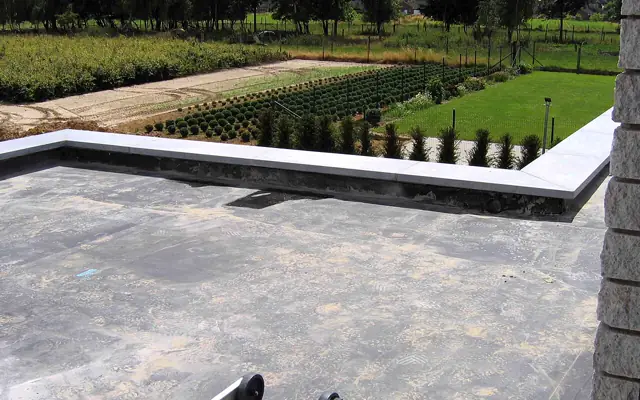
Low-slope systems
A membrane or coated roof can look simple from the ground while the important questions live at penetrations, seams, transitions, drains, edges, and areas that hold water. The assessment form makes room for the system and the problem before a repair or replacement path is discussed.
Scope boundary: the site identifies low-slope systems for assessment and planning. Actual repair or replacement capability, responsible entity, licensing, and availability are confirmed project by project.
Service areas
Commercial roofing licenses are confirmed in Denver, Aurora, Parker, and Thornton. The site remains based in Lakewood, Colorado, with nationwide landmark work described only where the project and contracting scope support it.
Arizona hail interest is intentionally kept out of this evergreen layer. An Arizona campaign requires its own verified event source, area, approved operating scope, and noindex campaign route before it is activated.
Property assessment
Tell us where the property is, how to reach you, and what needs attention. The first fields are required. The next fields are optional but make the first conversation more useful.